
IVF Surgery Hospitals in Bhilai: Your Guide to Fertility Treatment
Introduction:
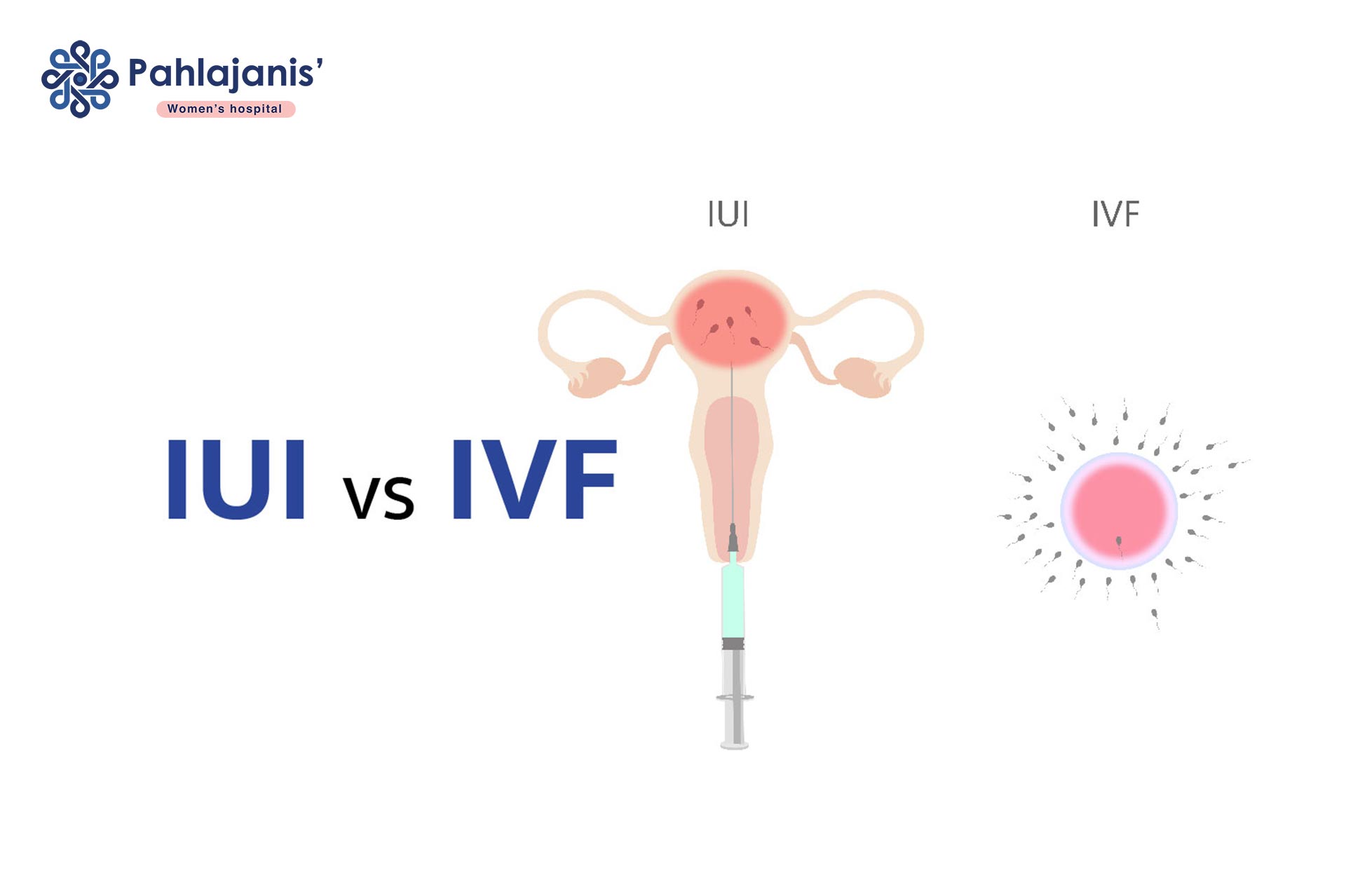
In Bhilai, where the demand for fertility treatments has been steadily rising, individuals and couples are presented with a variety of options. Two of the most frequently discussed treatments are IUI and IVF. Both offer promising outcomes, but their approaches, success rates, and suitability for different situations vary significantly. Let's explore these differences to help you make the right choice when considering In Vitro Fertilization surgery hospitals in Bhilai and the appropriate treatment for your unique circumstances.Understanding IUI (Intrauterine Insemination):
IUI is a less invasive and less complex fertility treatment than In Vitro Fertilization. It involves the direct placement of washed and processed sperm into a woman's uterus during ovulation. IUI is often recommended in the following situations:- Unexplained Infertility: When the cause of infertility is not known, IUI may be the initial treatment to try.
- Male Infertility: IUI can help in cases of mild male factor infertility, where sperm count, motility, or morphology is slightly below average.
- Cervical Issues: If a woman's cervix produces thick mucus that hinders sperm motility, IUI can bypass this barrier.
- Donor Sperm: In cases where a male partner has no sperm or carries a genetic disorder, donor sperm can be used in IUI.
The IUI Procedure:
The IUI procedure is relatively simple and involves the following steps:- Ovulation Monitoring: The woman's cycle is closely monitored to determine the optimal time for IUI.
- Sperm Preparation: The male partner's sperm is collected and processed to select the healthiest and most motile sperm.
- Insemination: The processed sperm is inserted directly into the uterus using a thin catheter.
- Wait for Pregnancy: After the procedure, the patient waits to see if conception occurs.
Understanding In Vitro Fertilization:
IVF is a more complex and invasive procedure that involves the fertilization of an egg outside the body. It is often recommended in the following situations:- Tubal Factor Infertility: If the woman's fallopian tubes are blocked or damaged, preventing the egg and sperm from meeting naturally.
- Severe Male Infertility: When the male partner has severe sperm issues, including low sperm count, motility, or morphology.
- Endometriosis: IVF can be beneficial when endometriosis is a factor in infertility.
- Unsuccessful IUI: Couples who have not achieved pregnancy through IUI may consider IVF.
The In Vitro Fertilization Procedure:
The IVF process is more involved and consists of the following steps:- Ovarian Stimulation: Fertility drugs are administered to stimulate the ovaries to produce multiple eggs.
- Egg Retrieval: Mature eggs are retrieved from the ovaries using a minimally invasive surgical procedure.
- Sperm Collection: The male partner provides a sperm sample or, in some cases, donor sperm is used.
- Fertilization: Eggs and sperm are combined in the laboratory to create embryos.
- Embryo Transfer: One or more embryos are transferred to the woman's uterus.
- Wait for Pregnancy: After the transfer, the patient waits to see if conception occurs.