
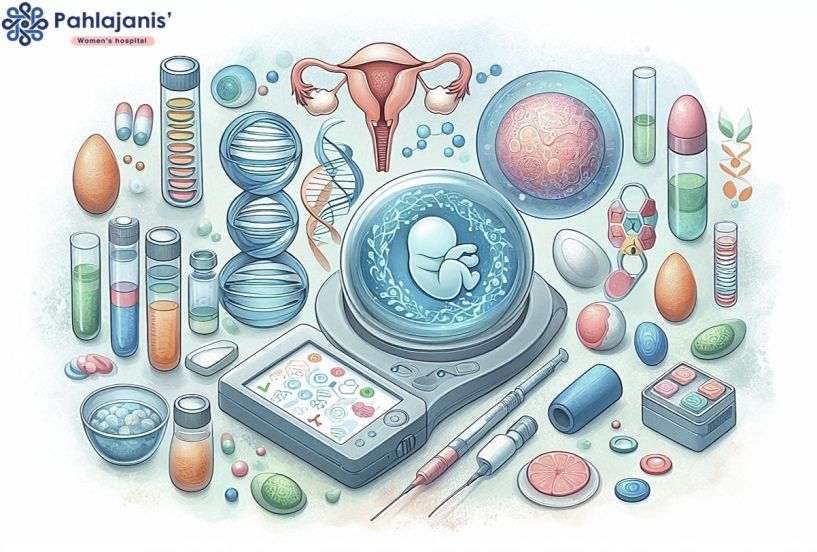
What is advanced genetic testing in IVF?
IVF additionally enables doctors to make better order genetic evaluations and have a look at the chromosomal or genetic discrepancies in the embryos. The most not unusual varieties of genetic testing in IVF are:- Preimplantation Genetic Testing for Aneuploidies (PGT-A): This test tells the repute of chromosomes in an embryo. Human improvement is typically 46 chromosomes. But now and again there are numerous or few, that could cause a miscarriage or, in a few instances, Down syndrome. Embryos with the ideal chromosome count number as well as the nice genes for a higher pregnancy can be diagnosed via PGT-A.
- Preimplantation Genetic Testing for Monogenic Disorders (PGT-M): The check seeks a sickness associated with the inheritance of sicknesses from the figure’s inventory (along with cystic fibrosis or Huntington’s sickness). The point is that if a pair is a provider of a genetic disease, it will now not transmit it to a child with PGT-M.
How Do Genetic Tests Operate?
IVF involves the fertilization of eggs that are in the laboratory to produce embryos. These embryos take several days and once they are at the blastocyst stage it takes about 5-6 days after fertilization. At this stage, one or a few cells from the embryo are removed for some tests – they can be used later to create an acceptable look of the embryo or for some other purposes. The process that is described here is called biopsy. The cells are taken from the biopsy and taken to a laboratory for genetic testing. The testing takes some days, and after the effects are launched, docs can choose the high-quality embryos that may be transferred to the girl’s uterus.Genetic testing in IVF: who should go for it?
Unlike with other assisted reproductive technologies, genetic testing in IVF is not required for all couples with IVF, but it would be helpful in some situations. Couples who may benefit from genetic testing in IVF include:- Women Over 35: During women’s childbearing age, the frequency with which the women carry embryos with chromosome abnormalities also increases. The research shows that women of 35 + age and above, are likely to have chromosomal disturbances in their embryos at a ratio of 35-40%. Therefore, the outcomes of PGT-A offer a good chance of correct selection of healthy embryos for better pregnancy outcomes.
- Couples with Recurrent Miscarriages: They would also like to know that in many cases the couple, who has had one or several miscarriages, can have chromosomal problems with the embryos. An embryo test can also determine the correct number of chromosomes to avoid another miscarriage.
- Couples with a Family History of Genetic Disorders: Where two individuals getting pregnant are aware of the fact that they are disease reckoners, PGT-M can assist in identifying sick embryos. This helps them not to transmit the disorder to their child.
- Couples with Previous IVF Failures: It has been known that some couples had to go through the IVF cycle more than many times with no positive result. In such situations, information from the tests can guide couples by selecting embryo with higher success rates of implantation.
- Couples Using Donor Eggs or Sperm: Sperm or egg donation is rather frequent when it is hard for a couple to conceive a child. By excluding that the donor material is free of some genetic disease, genetic testing in IVF can increase the probability of pregnancy.
What Is the Purpose of Genetic Testing for IVF?
Advanced genetic testing in IVF offers several benefits to couples going through IVF:- Higher Success Rates: Embryological screening may allow the physicians to select the most suitable embryos for implantation and therefore improve the fertility rates. Couples opting for PGT-A had improved implantation standardization as well as decreased miscarriage rates according to a Human Reproduction research study.
- Lower Risk of Miscarriage: Since the technology enables the analysis of embryos with an appropriate set of chromosomes, PGT-A can lower the risk of miscarriage in women of a certain age or having a miscarriage history.
- Prevention of Genetic Disorders: This is because, through PGT-M, couples get to make certain they do not have youngsters with extreme genetic disorders. This is important, mainly for those folks who are obligatory bearers of genetic issues together with cystic fibrosis, Tay-Sachs disease, and muscular dystrophy among others.
- Fewer IVF Cycles Needed: Since doctors select choice embryos to be inserted, the couple might require a few cycles of IVF to conceive a healthy pregnancy. This would help save the money and energy that individuals and families undergoing infertility treatment must spend when they attempt several rounds of IVF.
While genetic testing in IVF has its benefits, it also comes with certain risks and challenges:
- Cost: The cost effects associated with IVF include the costs of genetic testing. On average, PGT-A may run from $4,000 to $6,000, with PGT-M even costlier. Cohabitating and raising children together may also be a strain on the pocket of some couples.
- No Guarantee of Success: So even if genetic testing in IVF raises the likelihood of a healthy pregnancy it does not always assure one. Five per cent of implants may not occur or the pregnancy may end in miscarriage or stillbirth.
- Prevention of Genetic Disorders: This is because couples are able to make certain that they will not be bringing into the world children with severe genetic diseases through PGT-M. This is important, particularly in those populations that are mandatory carriers of certain diseases like cystic fibrosis, Tay-Sachs, and muscular dystrophy among others.
- Ethical Concerns: Potential ethical issues that might be a concern to some people are that some people contract a genetic disease through the process of genetic testing in IVF if involves the selection of embryos to be planted. It is therefore important that individuals especially couples weigh a lot on genetic testing considering the importance that every individual lays towards the values and beliefs of the society.