
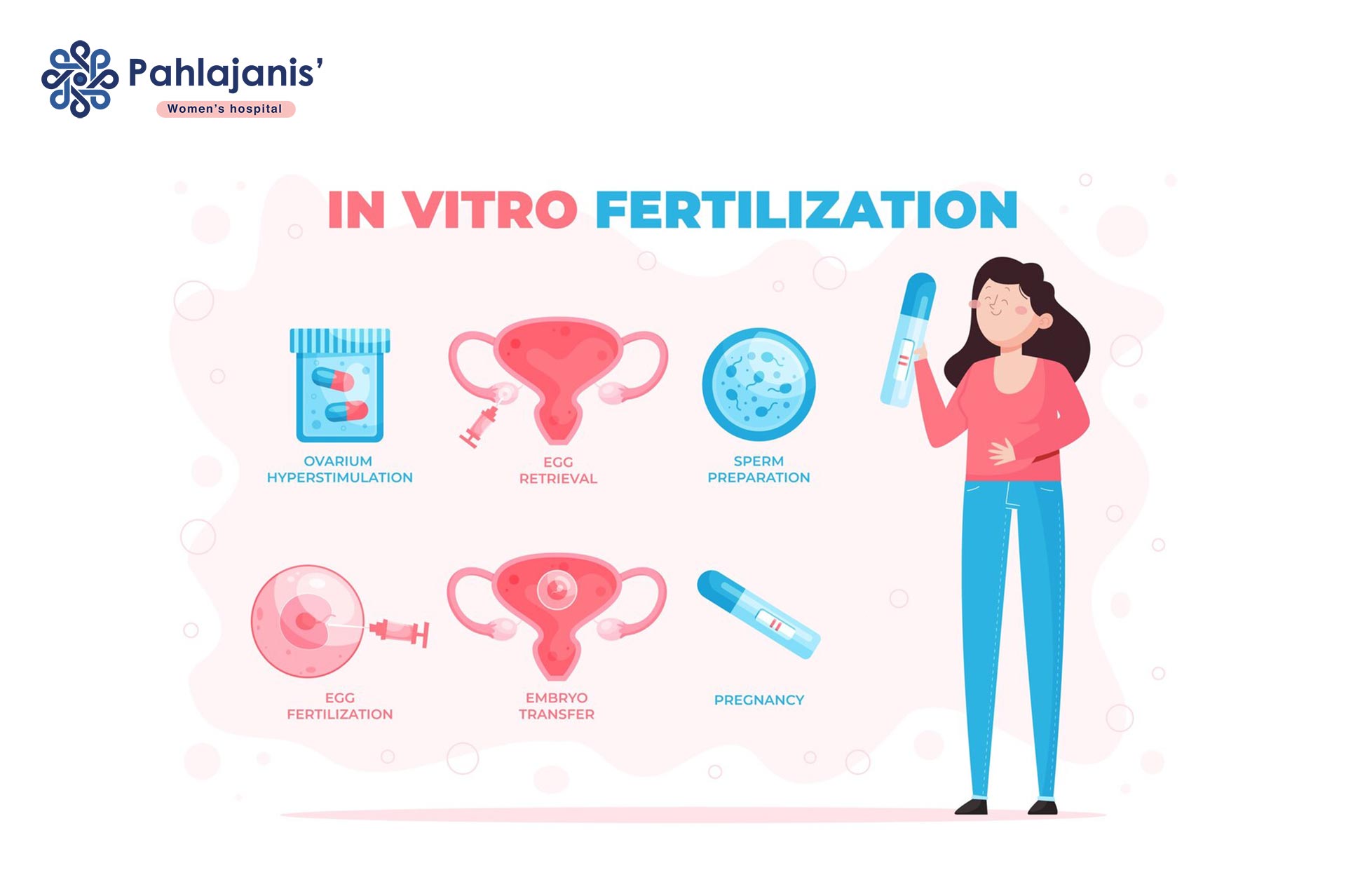
- Ovulation Induction
- Medications: PCOS patients typically require medication to induce ovulation. Commonly used drugs include Clomiphene Citrate or Letrozole. These medications stimulate the ovaries to produce eggs. They are often combined with other medications like Metformin to improve insulin sensitivity.
- Monitoring: Regular ultrasound monitoring is essential to track the development of ovarian follicles. The aim is to ensure that the ovaries are not overstimulated, which can lead to complications like Ovarian Hyperstimulation Syndrome (OHSS).
- Egg Retrieval:
- Fertilization:
- Conventional Insemination: In this method, sperm and eggs are combined in a petri dish, allowing fertilization to occur naturally.
- Intracytoplasmic Sperm Injection (ICSI): In ICSI, a single sperm is injected directly into an egg. This method is often used when there are concerns about sperm quality or if previous IVF attempts were unsuccessful.
- Embryo Culture:
- Embryo Transfer:
- Luteal Phase Support:
- Age: Age significantly influences IVF success. Younger PCOS patients tend to have higher success rates.
- Embryo Quality: The quality of embryos transferred is a crucial factor. Healthier embryos are more likely to result in pregnancy.
- Lifestyle Factors: Lifestyle plays a role. Maintaining a healthy weight, managing insulin resistance, and reducing stress can improve outcomes.