
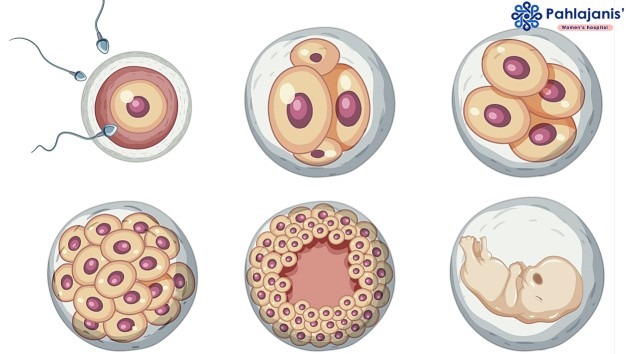
What’s an Oocyte? (The “Egg Cell”)
The Basics of an Oocyte
An oocyte is just a fancy name for an egg cell. Think of it like a tiny “seed” in a woman’s ovaries. This seed is one of the largest cells in the human body—about the size of a grain of sand! For a baby to form, this seed needs to meet a sperm cell. Fun Fact: Women are born with all the oocytes they’ll ever have—about 1-2 million! By puberty, only 300,000 remain, and only 400-500 will mature in a lifetime.Parts of an Oocyte (Like a Mini Spaceship!)
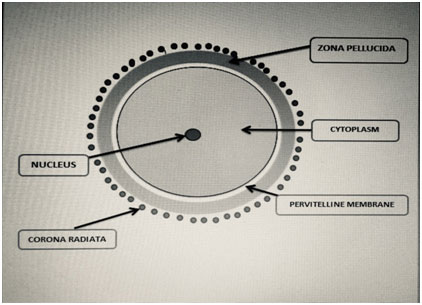
Doctors check oocytes carefully during IVF. Here’s what they look at:- Corona Radiata:
- A fluffy, nutrient-rich layer around the egg.
- Acts like a “food delivery service” for the egg.
- Zona Pellucida:
- A thick, protective outer shell (like a spaceship’s armor!).
- After fertilization, this shell hardens to block other sperm.
- Vitelline Membrane:
- The egg’s “skin” that holds everything together.
- Nucleus:
- The “brain” of the cell—holds all the genetic instructions (DNA).
- Cytoplasm:
- Jelly-like fluid that keeps the cell healthy.
Why Oocyte Quality Matters
Not all oocytes are the same. Doctors grade them based on:- Shape: Round is best!
- Layers: Fluffy corona radiata = healthy.
- No Damage: Cracks or dark spots mean lower quality.
The Journey from Oocyte to Embryo
Fertilization: When Sperm Meets Egg
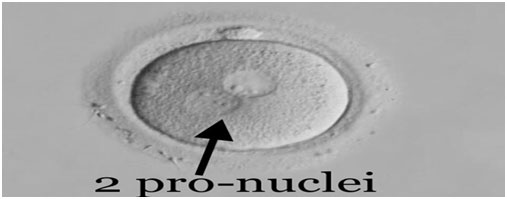
During IVF, doctors mix sperm and oocytes in a lab dish. If a sperm breaks through the zona pellucida, fertilization happens!- 2PN (Two Pro-Nuclei):
- 18–19 hours after fertilization, the egg and sperm nuclei fuse.
- This forms a zygote (fertilized egg).
Embryo Development: Day-by-Day Breakdown
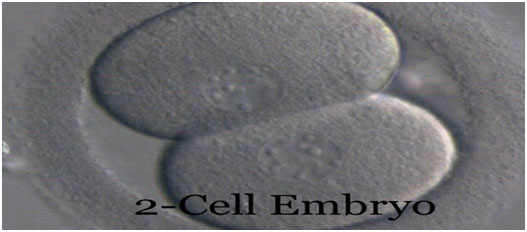
Day 1: 2-Cell- 24–30 hours after fertilization, the zygote splits into 2 cells.
- Doctors check if cells are equal in size.
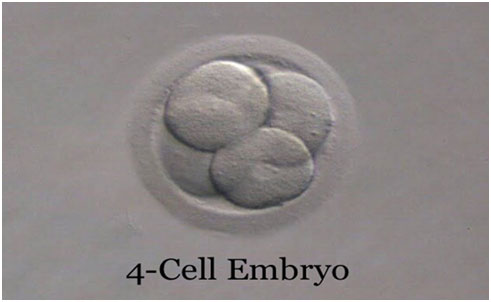
 Day 2: 4-Cell
- By 40 hours, it splits into 4 cells.
- Uneven cells or fragments (tiny broken pieces) mean lower quality.
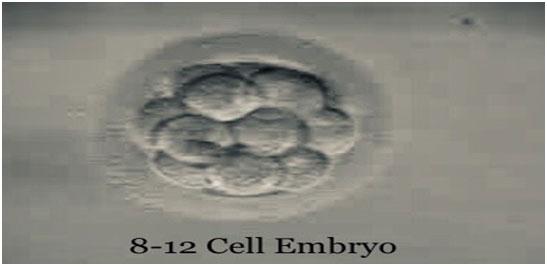
 Day 3: 8-Cell
- Around 68 hours, it has 6–12 cells.
- This stage is critical—if cells divide too slowly, the embryo might not survive.
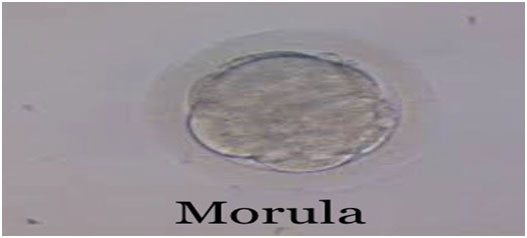
 Day 4: Morula Stage (Like a Raspberry!)
- A solid ball of 16+ cells form.
- Named “morula” (Latin for “mulberry”) because it looks like a tiny berry!
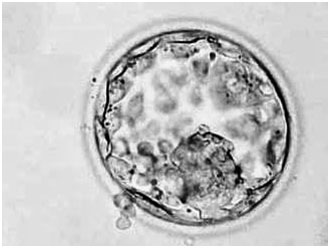
 Day 5: Blastocyst Stage (The Big Upgrade!)
- A fluid-filled cavity forms, turning the morula into a blastocyst.
- Has two parts:
- Inner Cell Mass (ICM): Becomes the baby.
- Trophectoderm (TE): Forms the placenta.
Grading Embryos—Like Report Cards!
Embryo Grading System
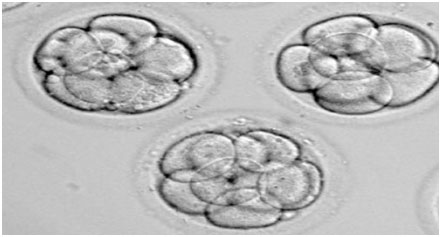
Doctors grade embryos from 1 (best) to 4 (worst):- Grade 1:
- Cells are equal size.
- No fragments (breaks).
- Chance of Success: Highest!
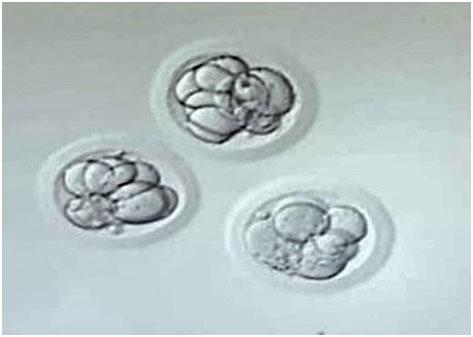
- Grade 2:
- Slightly uneven cells.
- Up to 10% fragments.
- Chance of Success: Good.
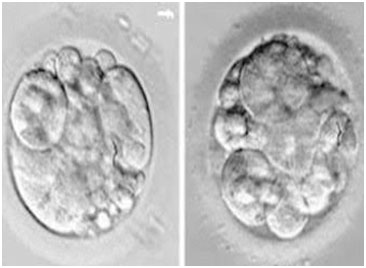
- Grade 3:
- Uneven cells.
- 10–25% fragments.
- Chance of Success: Moderate.
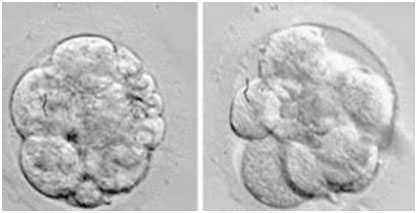
- Grade 4:
- Very uneven cells.
- 50%+ fragments.
- Chance of Success: Low.
Blastocyst Grading: The A, B, C System
Blastocysts get two grades (e.g., 4AA):- First Grade: Blastocyst size (1–4):
- 1: Early blastocyst (small cavity).
- 4: Expanded blastocyst (large and ready to hatch).
- Second Grade: Inner Cell Mass (A–C):
- A: Many tightly packed cells.
- C: Few loose cells.
- Third Grade: Trophectoderm (A–C):
- A: Many healthy cells.
- C: Few weak cells.
Why Embryo Knowledge = IVF Power!
How Grading Affects Your IVF Success- Higher Grades = Better implantation chances.
- Lower Grades = May need multiple IVF cycles.
- Only 30–50% of embryos reach the blastocyst stage.
- Even top-grade embryos have a 60–70% chance of implanting.
- “What grade are my embryos?”
- “How many are reached blastocyst stage?”
- “Do you recommend transferring one or two?”
Common Myths About Embryos (Busted!)
Myth 1: “Bigger embryos are better.” Truth: Size doesn’t matter—quality does! A small, Grade 1 embryo beats a large, Grade 3 one. Myth 2: “All embryos can become babies.” Truth: Only 20–30% of embryos are healthy enough to implant. Myth 3: “IVF always works on the first try.” Truth: Success rates vary. Younger women (under 35) have a 40–50% chance per cycle.Tips to Improve Embryo Health
For Women- Eat Healthy: Fruits, veggies, and proteins.
- Avoid Smoking/Alcohol: They damage oocytes.
- Manage Stress: Yoga or meditation helps.
- Healthy Sperm Matters Too! Avoid tight underwear and hot tubs.
The IVF Process—Step by Step
Step 1: Ovarian Stimulation- Hormone injections help ovaries produce multiple oocytes.
- Doctors collect oocytes using a tiny needle (under anesthesia).
- Sperm and oocytes are mixed in a lab.
- The best embryo is placed into the uterus using a thin catheter.
Why Choose Pahlajanis’ IVF?
- Transparency: We explain your embryo grades clearly.
- Expertise: Our lab uses advanced technology for grading.
- Support: Chat with our team anytime—no question is too small!