
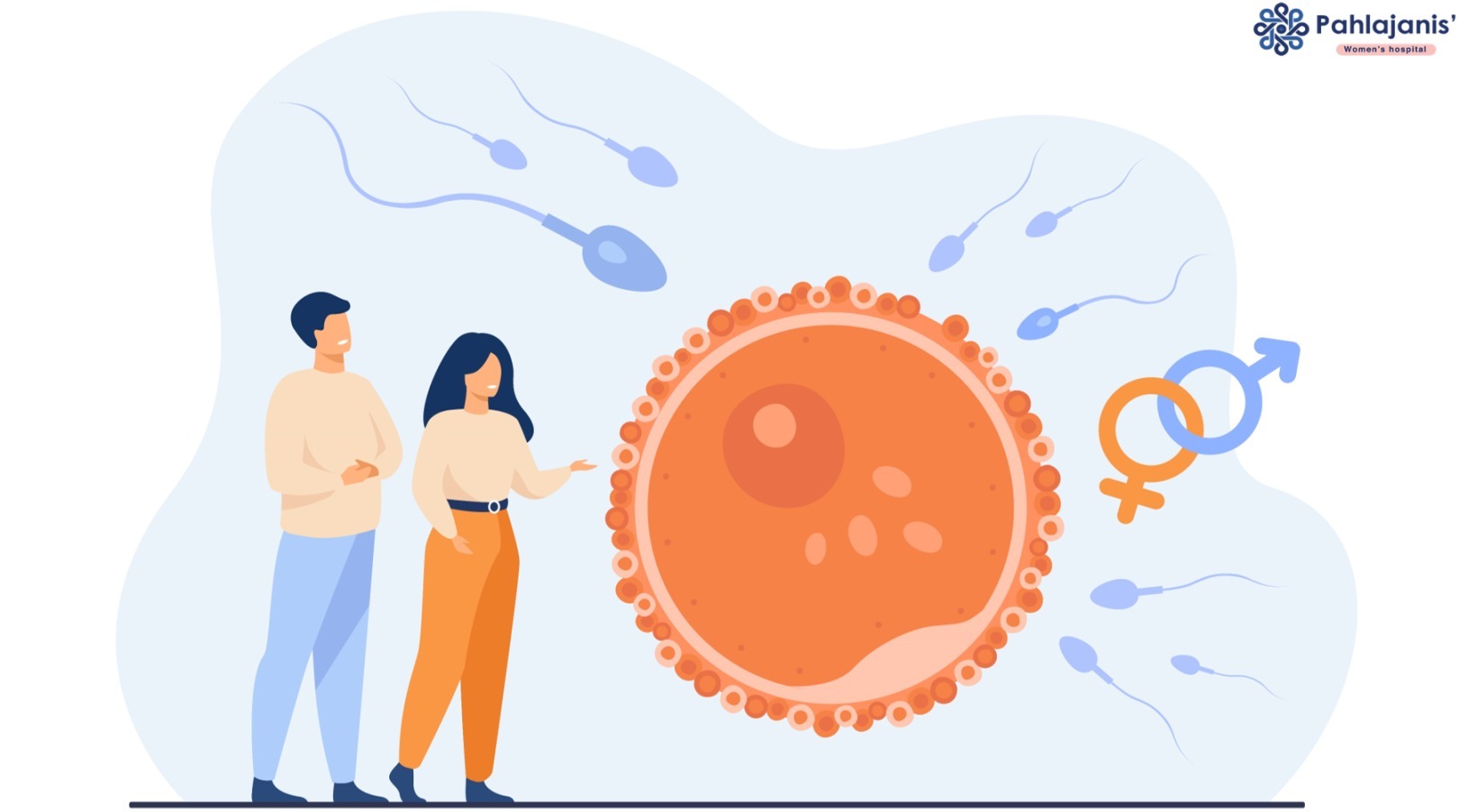
What Is Male Fertility?
Male fertility refers to a man’s ability to father a child. For this to happen, a man needs to produce healthy sperm that can reach and fertilize the egg. Fertility issues in men usually occur when there is a problem with the sperm. Some common issues include:- Low sperm count: This means there aren’t enough sperm in the semen to increase the chances of fertilizing an egg.
- Poor sperm quality: Sometimes, sperm don’t swim fast enough or aren’t shaped properly, making it harder to fertilize the egg.
- Sperm blockages: This can happen when sperm can’t get out of the body due to blockages in the reproductive system.
Male Infertility and IVF
Infertility in men is more common than you might think. About 1 in 6 couples have trouble getting pregnant, and male infertility is the cause in about 40% of these cases. But that doesn’t mean all hope is lost! In fact, IVF (In Vitro Fertilization) is a common treatment for couples dealing with male infertility. In IVF, the woman’s egg is combined with the man’s sperm in a lab to create an embryo. This embryo is then placed into the woman’s uterus to hopefully grow into a healthy pregnancy. When male infertility is the issue, doctors may use special techniques to improve the chances of fertilization, such as:- ICSI (Intracytoplasmic Sperm Injection): In this procedure, a single sperm is injected directly into the egg to help with fertilization.
- Sperm retrieval: For men who have no sperm in their semen, doctors can sometimes retrieve sperm directly from the testicles using a minor surgical procedure.
What Causes Male Infertility?
There are several factors that can contribute to male infertility. Some of the most common causes include:- Lifestyle factors: Smoking, excessive alcohol use, and drug abuse can all lower sperm count and quality.
- Health issues: Conditions such as diabetes, infections, and hormone imbalances can affect sperm production.
- Environmental factors: Exposure to toxins, radiation, or chemicals at work or home can damage sperm.
- Age: As men get older, sperm quality naturally declines, which can lead to fertility issues.
Improving Male Fertility
The great news is that there are many ways to improve male fertility, especially for men preparing for IVF. Here are some simple, practical tips that can help:- Maintain a healthy weight: Being overweight or underweight can affect hormone levels, which impacts sperm production. A balanced diet and regular exercise can help you reach a healthy weight.
- Eat a fertility-friendly diet: Foods rich in antioxidants, vitamins (like vitamin C and D), and minerals (like zinc and selenium) can help improve sperm quality. Include fruits, vegetables, whole grains, and lean protein in your meals.
- Avoid smoking and excessive drinking: Smoking can reduce sperm count, and heavy drinking can lower testosterone levels, affecting sperm quality. Quitting smoking and limiting alcohol consumption can improve fertility.
- Exercise regularly: Regular physical activity can improve overall health and increase testosterone levels, which may boost sperm production. However, avoid over-exercising, as that can have the opposite effect.
- Reduce stress: Stress affects hormone levels and can lower sperm quality. Practice stress-reducing activities like yoga, meditation, or spending time outdoors to keep stress levels in check.
- Get enough sleep: Poor sleep can affect testosterone levels, which are important for sperm production. Aim for 7-9 hours of quality sleep each night.
- Limit exposure to toxins: Avoid exposure to chemicals, pesticides, and heavy metals, which can harm sperm. If your job involves exposure to these substances, take necessary precautions, such as wearing protective gear.
- Stay cool: High temperatures can affect sperm production, so avoid hot tubs, saunas, and wearing tight underwear.
IVF Success Tips for Men
For men undergoing IVF, improving sperm health is crucial. Follow these tips to give yourself the best chance of success:- Take prescribed supplements: Some doctors may recommend supplements like folic acid, vitamin E, or Coenzyme Q10 to boost sperm quality. Always consult your doctor before taking any supplements.
- Follow a treatment plan: If your doctor has diagnosed you with a specific cause of male infertility, such as low testosterone or varicocele (enlarged veins in the testicles), follow their recommended treatment. This could include medications, hormone therapy, or surgery.
- Stay healthy during IVF treatment: Continue healthy habits throughout the IVF process. Eat a balanced diet, stay active, and avoid harmful substances. This will not only improve sperm health but also reduce the stress of treatment.
- Be patient and positive: IVF can be a long and emotional journey. Stay patient and keep a positive mindset. Support from your partner, family, or a counselor can make the process easier to handle.