
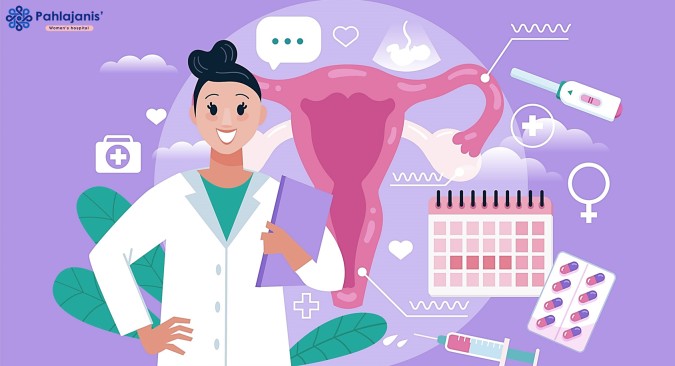
What is PCOD?
PCOD is a condition where a woman’s ovaries produce higher levels of male hormones (androgens) than normal. This hormonal imbalance can cause small cysts to form on the ovaries, leading to irregular periods, weight gain, and other symptoms. According to the World Health Organization (WHO), around 116 million women worldwide (3.4% of the global female population) are affected by Polycystic Ovary Disorder. Common PCOD Symptoms- Irregular or missed periods
- Heavy or painful periods
- Weight gain, especially around the waist
- Acne or oily skin
- Hair loss or excessive hair growth on the face and body
- Mood swings and fatigue
Causes of Polycystic Ovary Disorder and Irregular Periods
The exact cause of PCOD is not known, but several factors contribute to this condition:- Hormonal Imbalance: High levels of androgens and insulin resistance are common in women with PCOD.
- Genetics: PCOD often runs in families. Research shows that if your mother or sister has Polycystic Ovary Disorder , you are 50% more likely to develop it.
- Lifestyle: Poor diet, lack of exercise, and stress can worsen Polycystic Ovary Disorder symptoms.
- Insulin Resistance: Around 70% of women with PCOD have insulin resistance, which makes it harder for their bodies to use insulin effectively.
PCOD Treatment Options
There is no cure for Polycystic Ovary Disorder , but the symptoms can be managed effectively with the right treatment. Here are some common PCOD treatment options:-
Medical Treatments
- Birth Control Pills: These can help regulate periods and reduce androgen levels. Studies show that birth control pills can reduce Polycystic Ovary Disorder symptoms in 80% of women.
- Metformin: This medication helps manage insulin resistance. It is particularly effective for women with Polycystic Ovary Disorder who are overweight or obese.
- Fertility Treatments: For women trying to conceive, medications like Clomiphene can help with ovulation. Around 70-80% of women with Polycystic Ovary Disorder who take Clomiphene successfully ovulate.
-
Natural Remedies for Polycystic Ovary Disorder
- Apple Cider Vinegar: Helps regulate blood sugar levels. A study published in the Journal of Functional Foods found that apple cider vinegar improved insulin sensitivity in women with Polycystic Ovary Disorder.
- Cinnamon: Improves insulin sensitivity. Research shows that consuming 1.5 grams of cinnamon daily can help regulate menstrual cycles in women with Polycystic Ovary Disorder.
- Spearmint Tea: Reduces androgen levels and improves hormonal balance. A study in Phytotherapy Research found that drinking spearmint tea twice daily for 30 days significantly reduced excess hair growth in women with Polycystic Ovary Disorder.
- Fenugreek Seeds: Helps regulate periods and reduce insulin resistance.
-
Lifestyle Changes
- Eat a Balanced Diet: Include whole grains, lean proteins, and plenty of fruits and vegetables.
- Exercise Regularly: Physical activity helps regulate hormones and improve insulin sensitivity. Studies show that 30 minutes of moderate exercise, 5 days a week, can significantly improve Polycystic Ovary Disorder symptoms.
- Manage Stress: Practice yoga, meditation, or deep breathing exercises to reduce stress.
How to Regulate Periods with PCOD
Irregular periods are one of the most common symptoms of Polycystic Ovary Disorder. Here are some tips to help regulate your menstrual cycle:-
Best Foods for PCOD Management
- Leafy Greens: Spinach, kale, and broccoli are rich in iron and fiber.
- Whole Grains: Brown rice, oats, and quinoa help regulate blood sugar levels.
- Healthy Fats: Avocados, nuts, and olive oil support hormonal balance.
- Berries: Blueberries, strawberries, and raspberries are rich in antioxidants.
-
Exercise for PCOD and Irregular Periods
- Cardio: Walking, jogging, or cycling for 30 minutes a day can improve insulin sensitivity.
- Strength Training: Lifting weights or doing bodyweight exercises helps build muscle and burn fat.
- Yoga: Poses like the butterfly pose and child’s pose can help regulate hormones and reduce stress.
-
Stress and Polycystic Ovary DisorderIrregular Periods
- Practice Mindfulness: Spend 10-15 minutes daily meditating or practicing deep breathing.
- Get Enough Sleep: Aim for 7-8 hours of sleep every night.
- Stay Active: Engage in hobbies or activities that make you happy.