
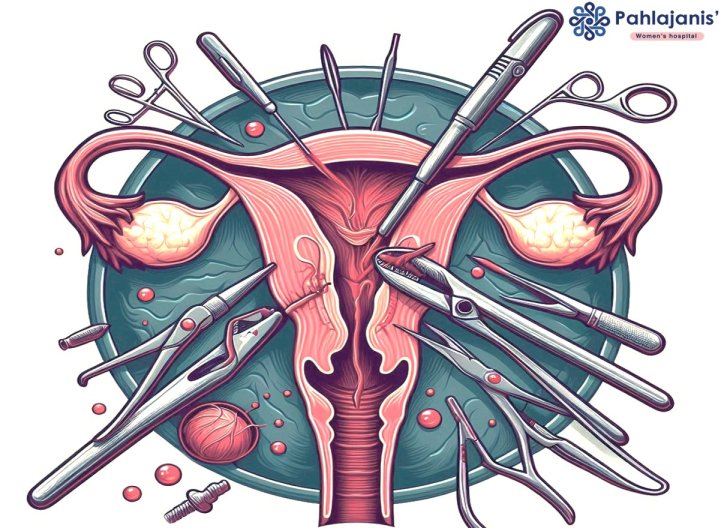
What is a Total Laparoscopic Hysterectomy?
A total laparoscopic hysterectomy is one in which using using laparoscope multiple organs including the uterus are extracted. Of course, this is taken with a scope which is a thin tubing with a camera attached to it. Since it is a procedure that is being done inside the tummy by the doctor looking at a TV screen of the pelvic organs, this is exactly what they do. This is quite a departure from the normal practice of carrying out an open surgical procedure where a very long midline surgical incision on the abdomen is done. The laparoscopy uterus removal method isn't best much less invasive however additionally offers faster healing instances, decreased postoperative pain, and minimum scarring. These advantages have made uterus removal with laparoscopy the desired preference for lots of ladies wanting a hysterectomy.Why Choose Laparoscopic Surgery for Uterus Removal?
Opting for laparoscopic surgery for uterus removal comes with several advantages:- Minimal Scarring: The cuts made with the laparoscope are a lot smaller thereby leaving very few marks in contrast to the large cut wished for in open surgery. It not only helps in getting improved beauty results but additionally minimises the possibility of an infection.
- Reduced Pain: Patients who go through laparoscopy uterus removal typically revel in less postoperative aches. The smaller incisions and much less invasive nature of the surgical treatment bring about a greater cushty restoration.
- Quicker Recovery: Final thoughts Total laparoscopic hysterectomy has been proven to have a shorter recovery period as compared to many conventional surgical operations. The majority of the affected person can get back to normalcy within a few weeks, though with at times significant quality of life impediments, unlike ordinary surgeries, the recovery from the open procedure may last for several months.
- Shorter Hospital Stay: Because uterus elimination with laparoscopy is much less invasive, it regularly outcomes in a shorter health centre life. Many patients can cross home the same day or after simply one night inside the hospital.
- Lower Risk of Complications: The use of laparoscopy avoids the formation of severe headaches containing bleeding and contamination because of the accurate surgery. Thirdly, it is less invasive, thus reducing injury to tissues around the affected area and subsequently fewer formations of adhesions (scar tissues) and other long-term effects.
Who is a Candidate for Total Laparoscopic Hysterectomy?
While total laparoscopic hysterectomy offers several blessings, it's not suitable for everyone. Candidates for this manner typically include women who:- Have benign conditions which include fibroids, endometriosis, or adenomyosis that require uterus elimination.
- Are in want of a hysterectomy due to atypical uterine bleeding that hasn’t answered to different treatments.
- Have a small to moderately sized uterus, as large uteruses can be extra difficult to put off laparoscopically.
The Procedure: What to Expect
You’ve probably involved approximately the stairs if you were scheduled for a complete laparoscopic hysterectomy with the benefits of knowing ahead of time, to lessen anxiety and mentally prepare yourself for the manner.- Preoperative Preparation: Instructions may be given to you by your gynecologist concerning the arrangements that you want to make earlier than going for the surgery which may additionally include not ingesting meals or beverages for a while and preventing taking a few tablets. Also, you will be subjected to a preop evaluation, which evaluates your suitability for surgery, among different examinations.
- Anesthesia: The last step of the procedure will be done in general anaesthesia in which you will be unaware and properly pain-free throughout the operation.
- The Surgery: Your surgeon will make a small incision on your abdominal wall where the laparoscope and other surgical instruments will be inserted. Then, the uterus is still fairly shy from other systems, and it is removed through one of the incisions or even the vagina in certain cases.
- Recovery: After the surgical procedure, you'll be monitored in a restoration room. Once you're completely unsleeping and stable, you may be transferred to a clinic room or discharged domestically, depending on your scenario.
- Postoperative Care: Recovery at domestic includes resting, warding off heavy lifting, and following your general practitioner’s commands. Most patients go back to regular activities within 2-4 weeks.