
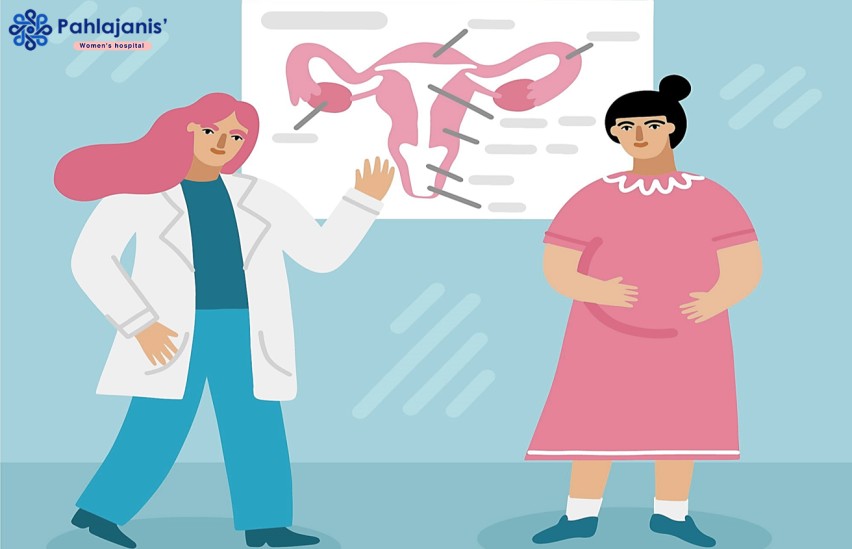
What to Expect After a Vaginal Hysterectomy
Recovery from a vaginal hysterectomy is generally faster compared to other types of hysterectomy, such as abdominal or laparoscopic procedures. Most women can return to normal activities within 4 to 6 weeks. However, everyone’s healing process is different, and your gynecologist will provide specific guidance based on your health and surgery type. Have questions about the procedure or recovery? Get all the information you need by contacting our team for a detailed consultation. Learn More About Vaginal Hysterectomy: https://pahlajanis.com/blog/vaginal-hysterectomy-benefits-risks-and-recovery-tips/Common Post-Surgery Symptoms:
- Mild pain or discomfort in the pelvic area
- Light vaginal bleeding or discharge
- Fatigue or low energy levels
- Swelling and tenderness around the surgical site
Essential Recovery Tips for Vaginal Hysterectomy
Following these recovery tips can help you heal faster and avoid complications: Rest Is Key: Your body needs time to heal after surgery. Rest as much as possible, especially during the first two weeks. Avoid heavy lifting, bending, or strenuous activities during this time. Follow Your Doctor’s Instructions: Your gynecologist will provide specific post-surgery care guidelines. This may include:- Taking prescribed medications to manage pain
- Avoiding baths or swimming for at least 2 weeks to prevent infections
- Using sanitary pads instead of tampons to manage post-surgery bleeding
- Fiber-rich foods: Whole grains, fruits, and vegetables to prevent constipation
- Protein: Lean meats, eggs, and legumes to support tissue repair
- Hydration: Drink plenty of water to stay hydrated and aid digestion
Post-Surgery Care: Monitoring Your Recovery
Regular follow-up appointments with your gynecologist are crucial for monitoring your healing progress. Your doctor may:- Check for signs of infection or complications
- Remove any sutures, if necessary
- Provide guidance on resuming normal activities
- Heavy vaginal bleeding
- Severe abdominal pain
- Fever over 100.4°F (38°C)
- Foul-smelling discharge
- Difficulty urinating or bowel movements
Healing After Hysterectomy: Emotional Well-Being
Recovering from a vaginal hysterectomy isn’t just physical; it’s emotional too. Many women experience mood swings or feelings of loss, especially if the surgery was related to reproductive health issues. Here are some ways to support your mental well-being:- Talk to a therapist: A counselor can help you process your emotions.
- Join a support group: Connect with women who’ve had similar experiences.
- Practice relaxation techniques: Meditation, deep breathing, and yoga can reduce stress.
Vaginal Hysterectomy in Raipur: Expert Care for Women
If you’re considering or recovering from a vaginal hysterectomy, finding the right gynecologist is essential. Raipur offers excellent medical care, with experienced specialists and advanced facilities.Why Choose a Gynecologist in Raipur?
- Access to state-of-the-art hospitals and clinics
- Personalized care from skilled professionals
- Comprehensive post-operative advice to ensure smooth recovery
Data on Vaginal Hysterectomy: Facts and Figures
- According to a study published in The Lancet, vaginal hysterectomy has fewer complications and a faster recovery time compared to abdominal hysterectomy.
- Around 600,000 hysterectomies are performed annually in the United States, with approximately 30% being vaginal procedures.
- Women aged 40 to 50 are the most common candidates for hysterectomy due to conditions like fibroids or uterine prolapse.