
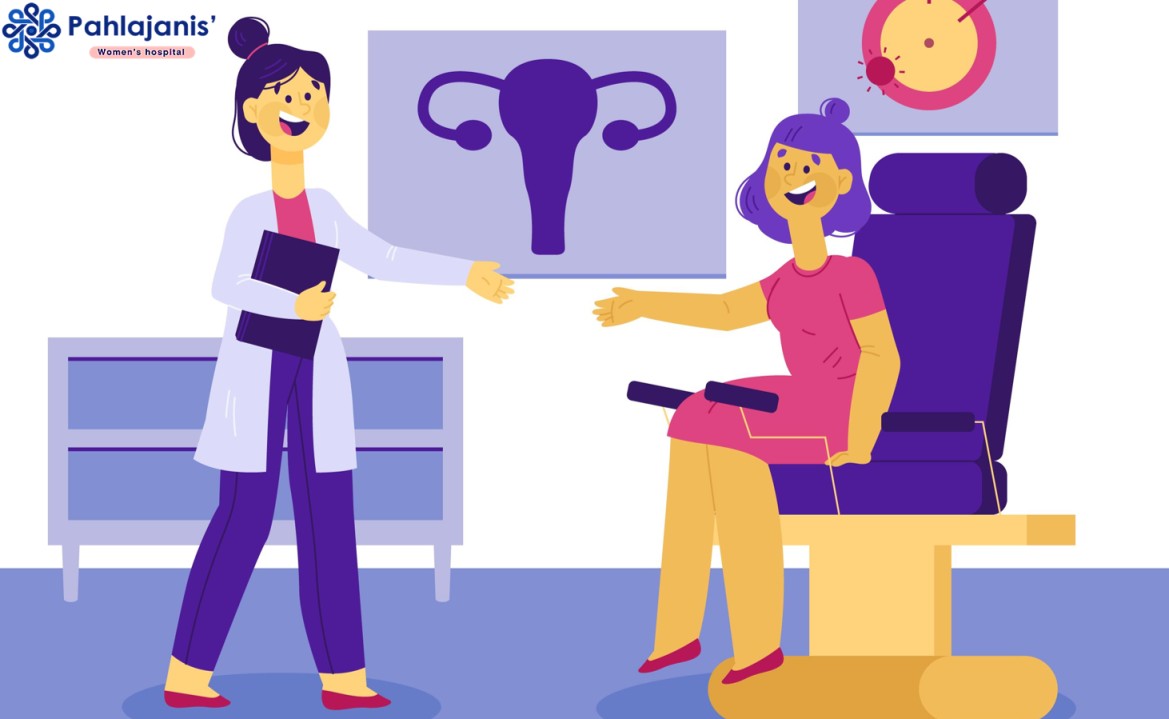
What is Pelvic Pain?
Pelvic pain is discomfort felt in the lower abdomen or pelvic area. It can occur suddenly (acute) or last for six months or more (chronic pelvic pain). According to studies, nearly 15-20% of women between the ages of 18 and 50 experience chronic pelvic pain at some point in their lives. This condition may interfere with daily activities, relationships, and emotional well-being. That’s why timely diagnosis and treatment are critical.Common Causes of Pelvic Pain
Pelvic pain can stem from various reasons, including gynecological issues or problems related to other organs in the pelvic region. Below are some common causes:-
Gynecological Issues
- Endometriosis: A condition where tissue similar to the uterine lining grows outside the uterus, causing pain during periods, intercourse, or bowel movements. Around 10% of women of reproductive age suffer from endometriosis.
- Ovarian Cysts: Fluid-filled sacs in the ovaries can lead to sharp or dull pelvic pain, especially during ovulation.
- Pelvic Inflammatory Disease (PID): An infection in the reproductive organs often caused by sexually transmitted infections.
-
Non-Gynecological Causes
- Urinary Tract Infections (UTIs): These infections can cause pain in the lower abdomen and burning during urination.
- Irritable Bowel Syndrome (IBS): Chronic pain in the pelvic region may be related to digestive issues like IBS.
- Hernias or Muscle Strains: These can also contribute to pelvic discomfort.
Symptoms of Pelvic Pain
Symptoms of pelvic pain may vary based on the underlying cause. Some of the common signs include:- Persistent or intermittent pain in the lower abdomen
- Pain during menstruation
- Discomfort during sexual intercourse
- Pain while urinating or having a bowel movement
- Unexplained lower back pain
When to See a Gynecologist
Women should consult a gynecologist if they experience:- Severe pelvic pain that disrupts daily life
- Pain accompanied by fever, nausea, or vomiting
- Heavy or irregular periods
- Symptoms of endometriosis or PID
Diagnosis of Pelvic Pain
Diagnosing the cause of pain in pelvic often involves a combination of:- Physical Examination: A gynecologist will assess the abdomen and pelvic area for tenderness or abnormalities.
- Imaging Tests: Ultrasound or MRI scans can detect cysts, fibroids, or endometriosis.
- Diagnostic Laparoscopy: A minimally invasive procedure to check for endometriosis or other internal issues.
- Blood and Urine Tests: To identify infections or hormonal imbalances.
Treatment Options for Pain in Pelvic
Treatment depends on the cause and severity of the pain. Below are some common approaches:- Medications
- Pain relievers like ibuprofen or acetaminophen can provide temporary relief.
- Antibiotics may be prescribed for infections like PID or UTIs.
- Hormonal treatments, such as birth control pills, can help manage endometriosis or irregular periods.
- Lifestyle Changes
- Maintaining a healthy weight and balanced diet improves overall women’s health.
- Regular exercise and stress management techniques like yoga can reduce chronic pelvic pain.
- Surgical Interventions
- In severe cases of endometriosis or ovarian cysts, laparoscopy or other surgical procedures may be required.
- Physical Therapy
- Pelvic floor therapy can strengthen muscles in the pelvic region and alleviate pain.
Managing Chronic Pelvic Pain
Living with chronic pelvic pain can be challenging, but the right strategies can help. Here are some tips:- Keep a pain diary to track triggers and patterns.
- Join support groups to connect with others facing similar issues.
- Seek regular follow-ups with your gynecologist for personalized care.