
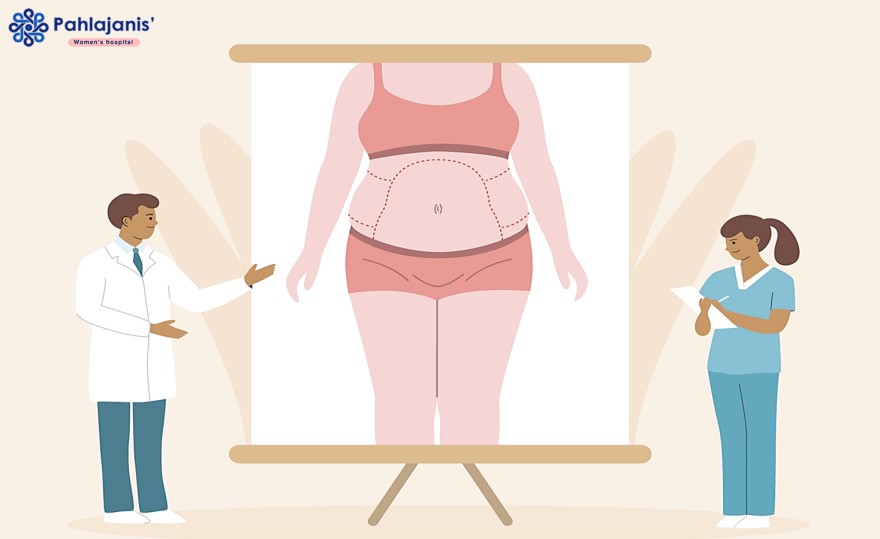
What is a Total Abdominal Hysterectomy?
A surgeon performs a total abdominal hysterectomy, removing the uterus through a horizontal or vertical cut in the abdomen. Sometimes, the cervix (the lower part of the uterus) and ovaries are also removed, depending on the patient’s condition. Doctors recommend TAH when other treatments (like medicines or less invasive surgeries) fail to solve the problem. Explore our blog for more articles on women’s health and gynecological conditions: https://pahlajanis.com/blog/total-abdominal-hysterectomy/Why Do Women Need a Hysterectomy for Gynecological Issues?
TAH is often a last-resort treatment for women with severe or life-threatening conditions. Here are the most common reasons:- Hysterectomy for Uterine Fibroids:
- Did you know? Up to 70% of women develop fibroids by age 50 (Source: NIH).
- If fibroids are large, cause severe symptoms, or lead to anemia (low red blood cells), a TAH might be recommended.
- Hysterectomy for Endometriosis
- About 10% of women worldwide have endometriosis (Source: WHO).
- TAH may be advised if endometriosis damages organs or causes unbearable pain.
- Hysterectomy for Pelvic Pain
- Hysterectomy for Abnormal Bleeding
- Hysterectomy for Adenomyosis
- Hysterectomy for Gynecologic Cancer
What Happens During Uterus Removal Surgery?
Here’s a simple breakdown of the TAH process:- Preparation: You’ll get anesthesia to sleep through the surgery.
- The Surgery: The surgeon makes a 4–6-inch cut in the abdomen, removes the uterus, and closes the cut with stitches.
- Hospital Stay: Most women stay in the hospital for 2–4 days after surgery.
Life After Surgery: Post-Hysterectomy Hormonal Changes
If your ovaries are removed during TAH, your body will stop producing estrogen. This can cause:- Hot flashes
- Mood swings
- Vaginal dryness
- Bone loss (osteoporosis)
Hysterectomy Recovery Tips
Recovering from TAH takes time—usually 6–8 weeks. Follow these tips to heal faster:- Rest: Avoid lifting heavy objects or doing strenuous activities.
- Pain Management: Take prescribed painkillers and use a heating pad for comfort.
- Eat Healthy: Focus on fiber-rich foods (fruits, veggies) to avoid constipation.
- Stay Hydrated: Drink plenty of water to help your body heal.
- Watch for Warning Signs: Call your doctor if you have fever, heavy bleeding, or severe pain.
How TAH Affects Pelvic Organ Health
Removing the uterus can relieve symptoms like pain and bleeding, but it may also cause:- A slight risk of bladder or bowel issues (rare).
- Emotional changes, like sadness or anxiety.